Why a annual sprinkler tune-up ensures irrigation systems performing well
Checking out the Perks of Efficient Irrigation Systems for Lasting Farming
Effective Irrigation systems play a necessary role in lasting farming. They enhance water usage and enhance plant manufacturing while reducing ecological influence. Strategies such as drip Irrigation guarantee that water reaches plant roots properly, decreasing waste and soil deterioration. As these systems end up being more prevalent, their effects for farmers and the more comprehensive environment warrant better evaluation. What certain advantages do they offer despite expanding environment difficulties?
Understanding Efficient Irrigation Solutions
Various Irrigation approaches exist, understanding efficient Irrigation systems is crucial for optimizing water usage in agriculture. Effective Irrigation includes methods and technologies designed to supply water straight to crops in a controlled manner, lessening waste and optimizing efficiency. Conventional approaches, such as wrinkle and flood Irrigation, often cause considerable water loss with evaporation and drainage. In comparison, modern-day systems, including drip and sprinkler Irrigation, enable targeted application, making sure that plants receive the specific amount of water required for growth.
Farmers need to analyze elements such as soil type, plant requirements, and climate conditions when picking an irrigation system. Furthermore, the integration of wise innovations, like wetness sensors and automated controls, can additionally boost effectiveness. By adopting efficient Irrigation practices, agricultural stakeholders can conserve water resources, reduce costs, and promote lasting farming, eventually adding to the durability of farming systems despite climate modification.
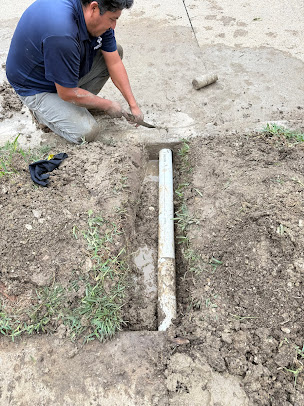
Secret Benefits of Reliable Irrigation
Reliable Irrigation systems use substantial benefits for sustainable farming (Drip Foundation). They include water preservation strategies that not just minimize waste but likewise improve plant yields. Furthermore, carrying out these systems can result in economical techniques, profiting both farmers and the environment
Water Preservation Techniques
As water deficiency ends up being an increasingly pushing concern, the adoption of advanced Irrigation strategies arises as a vital technique for advertising lasting agriculture. These techniques include drip Irrigation, which delivers water straight to plant origins, reducing dissipation and overflow. Additionally, rain harvesting systems capture and store rainfall for later usage, optimizing water schedule. Dirt moisture sensors even more boost water conservation by supplying data-driven understandings on Irrigation needs, permitting for accurate water application. Mulching assists maintain soil dampness and decreases the demand for regular Irrigation. By implementing these water conservation methods, farmers can substantially decrease water use, reduced operational expenses, and add to ecological sustainability, making sure that agricultural techniques remain sensible in the face of environment difficulties.
Enhanced Plant Yields
When farmers apply reliable Irrigation systems, they usually experience significant boosts in plant yields. These sophisticated systems, designed to provide water exactly where and when it is required, enhance plant development problems. By reducing water anxiety, plants are much better able to soak up nutrients, resulting in much healthier plants and enhanced production. Reliable Irrigation reduces the incidence of conditions and bugs, as plants are maintained in excellent moisture conditions. This improvement in overall plant health directly associates with boosted returns. Additionally, farmers can cultivate a bigger range of crops, even more expanding their manufacturing and enhancing general farming efficiency. Inevitably, the adoption of effective Irrigation contributes to food security and the sustainability of agricultural practices.
Cost-efficient Practices
Executing cost-effective methods through sophisticated Irrigation systems offers various benefits that prolong past simple water financial savings. These systems optimize water usage, decreasing total expenditures connected to water sourcing and power intake. Farmers can allot sources extra efficiently, leading to boosted dirt health and wellness and minimized chemical inputs. In addition, efficient Irrigation practices reduce labor costs by automating procedures, allowing workers to concentrate on other crucial tasks. The lasting sustainability next page of farming operations is enhanced, as these techniques promote environmental stewardship and durability against environment irregularity. Eventually, adopting cost-effective Irrigation strategies sustains monetary practicality, making it possible for farmers to purchase development and modern technology, thus cultivating a cycle of growth and sustainability in farming.
Enhancing Water Conservation
While water shortage positions a substantial obstacle to agriculture, boosting water conservation techniques can bring about even more sustainable farming methods. Carrying out efficient Irrigation systems, such as drip and lawn sprinkler, permits farmers to provide water directly to plant origins, reducing wastage. These technologies not only save water yet also lower power expenses connected with pumping and circulation.
Adopting rain harvesting methods enables farmers to record and save rainfall for future usage, decreasing dependence on groundwater and surface water resources. Crop turning and cover cropping can likewise boost dirt wellness, improving moisture retention and minimizing the demand for additional Irrigation.
Education and training for farmers on best resource practices in water monitoring are important for maximizing these advantages. By prioritizing water preservation, farming stakeholders can better adjust to the influences of climate change while fostering durability in food manufacturing systems. Ultimately, these strategies add to a more sustainable farming landscape.
Improving Plant Returns and Quality
Efficient Irrigation systems not only save water yet additionally play a crucial function in improving crop yields and quality. By supplying exact amounts of water directly to the origin zones, these systems reduce water tension on plants, causing healthier development and higher efficiency. Consistent dampness degrees promote ideal problems for nutrient uptake, causing durable plant growth. In addition, boosted Irrigation strategies reduce the danger of overwatering, which can trigger nutrition leaching and root conditions, inevitably enhancing crop quality.
Efficient Irrigation assists in the management of soil salinity, which can detrimentally influence crop performance. By maintaining appropriate dampness degrees, these systems add to better dirt structure and fertility. The combination of improved water management and improved plant wellness results in greater yields and premium fruit and vegetables, meeting the needs of both markets and customers. Investing in reliable Irrigation is crucial for achieving lasting farming practices that prioritize yield and top quality.
Economic Benefits for Farmers
As farmers take on reliable Irrigation systems, they frequently experience significant economic advantages that improve their general earnings. These systems lower water use, bring about lower energy costs and reduced functional prices. By optimizing water distribution, farmers can guarantee their crops receive cameron landscaping llc consistent dampness, which not just increases returns yet additionally enhances the top quality of the produce. Better crops can regulate much better market rates, additionally raising earnings.
Additionally, efficient systems reduce labor expenses related to conventional Irrigation techniques, permitting farmers to allot sources much more effectively. The first investment in innovative Irrigation modern technology typically settles promptly through these cost savings and enhanced performance. In addition, with boosted plant health and yield stability, farmers can much better browse market changes, contributing to long-lasting financial sustainability. In general, the economic advantages of effective Irrigation systems play a vital duty in boosting the stability and success of farming procedures.
Addressing Environment Modification and Sustainability
Addressing climate change and sustainability needs ingenious methods in farming, specifically through the application of effective Irrigation systems. Drip Foundation. These systems play a vital role in decreasing water waste and enhancing source usage, which is important in an age of enhancing water deficiency. By making use of innovations such as drip Irrigation and wetness sensors, farmers can exactly deliver water to plants, lowering the overall need on fresh water sources
Efficient Irrigation systems add to dirt health and wellness by protecting against disintegration and nutrient leaching. This not just boosts plant strength however likewise supports biodiversity within farming landscapes. As climate variability intensifies, adopting these systems can assist reduce the effects of severe weather, guaranteeing steady yields.

Often Asked Inquiries
What Sorts Of Crops Advantage Most From Effective Irrigation Equipments?
The kinds of plants that profit most from effective Irrigation systems include fruits, vegetables, and grains, especially those that call for regular dampness degrees. Improved Irrigation improves yields and quality, eventually sustaining farming productivity and sustainability.

Exactly How Do Reliable Irrigation Systems Influence Dirt Health And Wellness?
Efficient Irrigation systems improve soil health by advertising suitable dampness degrees, minimizing erosion, and preventing salinity build-up. This brings about enhanced nutrient accessibility and microbial task, cultivating an extra efficient and resistant agricultural ecological community.
What Are the Setup Prices for Effective Irrigation Systems?
The installment prices for efficient Irrigation systems vary widely, influenced by variables such as system kind, terrain, and size. Usually, initial financial investments can be substantial, however long-term cost savings and advantages often justify these expenditures.
Can Reliable Irrigation Solutions Be Retrofitted to Existing Farms?
Retrofitting effective Irrigation systems to existing ranches is viable. Many farmers successfully adjust their current configurations, boosting water management and conservation. This process commonly boosts productivity while minimizing resource waste and ecological influence.
Exist Federal Government Motivations for Taking On Effective Irrigation Technologies?
Government motivations for adopting efficient Irrigation innovations frequently consist of gives, tax credit histories, and low-interest car loans. These programs intend to promote lasting practices, improve water preservation, and improve agricultural efficiency while supporting farmers in updating their systems.
Various Irrigation approaches exist, recognizing reliable Irrigation systems is essential for enhancing water use in agriculture. Soil moisture sensing units even more boost water conservation by giving data-driven insights on Irrigation needs, permitting for accurate water application. Implementing affordable methods through innovative Irrigation systems offers many advantages that expand past plain water savings. Carrying out reliable Irrigation systems, such as drip and sprinkler systems, allows farmers to supply water directly to plant roots, reducing wastage. Efficient Irrigation systems not only preserve water yet additionally play an essential role in improving crop yields and quality.